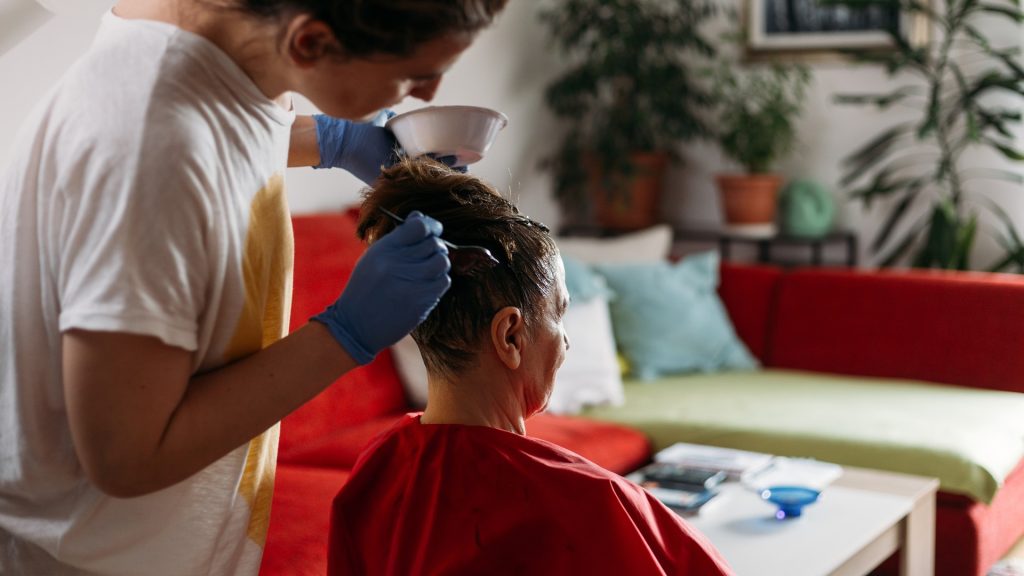
No. Hair dye isn’t a proven way to kill head lice or their eggs, and neither is bleach. Box color is made to change the color of the hair shaft, not to end a lice case, and the eggs are the part it can’t be counted on to reach. They are glued firmly to the hair close to the scalp and hatch in about a week, so if a few survive a color session, the case starts over.
That matters because a dye job can feel like progress while the next hatch is already on its way, and harsh chemicals on a scalp that is scratched from itching carry their own risk. Dye can be part of a normal beauty routine without being part of a lice plan.
This guide walks through what dye actually does to live lice, why eggs are a separate problem, when the safety tradeoffs make the experiment a bad idea, and what an end-to-end treatment plan looks like instead.
How Does Hair Dye Actually Affect Live Head Lice?
A permanent hair color is a two-part chemical product. The colorant mixes with a developer that contains hydrogen peroxide, and the alkalizer is usually ammonia or ethanolamine. Once those two parts touch the hair, they expand the cuticle, strip natural pigment, and deposit new color inside the shaft. The pH spikes high, the temperature rises, and the chemistry is aggressive enough to lighten or darken a strand permanently in under an hour.
None of that is designed around lice. Lice crawl close to the scalp and cluster behind the ears and at the nape of the neck, and a color application isn’t built to reach every louse, every strand and every egg in those spots. It only takes a few survivors to keep a case going: the CDC says an adult female lays about six eggs a day.
So even if some lice die during a color session, the rest of the lifecycle keeps moving forward in the background. A head can look calmer for a few days and then start itching again once the next eggs hatch.
This is also part of why many over-the-counter shampoos fail to reach the next generation of an infestation. Whether the chemistry is permethrin, pyrethrin, or the peroxide-and-developer system inside a color box, the same physical problem applies: the active ingredient has to reach every life stage, every strand, and every warm hiding spot at exactly the right time. Dye does not solve that distribution problem any better than a quick shampoo rinse. It simply trades one set of chemicals for another while leaving most of the work undone.
Does Hair Dye Kill Lice Eggs Or Just The Adults?
This is the question that quietly settles the debate. A live case of head lice is sustained by eggs. An adult female lays about six eggs a day, each cemented to a single hair shaft within a quarter inch of the scalp. Those eggs hatch into nymphs in seven to ten days, and the nymphs mature into reproductive adults about a week after that. To actually end an infestation, you have to break the lifecycle, which means killing or removing eggs before they hatch and produce the next wave.
Lice eggs are built to survive almost anything you can do to hair. The shell is a protein-rich casing reinforced with a glue that the female secretes as she lays. Standard shampoo washes do not break it. Many over-the-counter pediculicide rinses also struggle, which is why most product labels recommend a second treatment around day nine to catch nymphs that hatched after the first round.
Hair dye is no different. It is made to work on the hair shaft, not to get through the casing around a glued-on egg, and it isn’t a proven way to kill eggs. If even a few eggs make it through, they hatch on schedule about a week later, restart the cycle, and put the family back at day one.
Resistance makes the egg problem harder. The American Academy of Pediatrics reports that resistance to common over-the-counter products such as permethrin and pyrethrins occurs in some communities, which is where the name super lice comes from. Dye is not a workaround for that problem. If the goal is to stop the lifecycle, you cannot skip the eggs.
That is the heart of the trap with dye as a remedy. A single coloring session can make a head feel calm because the visible adults are gone for a moment. Seven days later, the new generation hatches, the scalp gets itchy again, and the family is back where they started without a clear understanding of what failed.
Is It Safe To Dye A Child’s Hair Just To Treat Lice?
Even before the question of whether dye works, there is the question of whether it should be used. Hair color and bleach are strong chemical products, and putting harsh chemicals on a scalp to fight lice can irritate or burn the skin. That risk is higher for a child whose scalp is already scratched from days of itching and combing. Some dye ingredients also cause allergic reactions, which is why the box tells you to patch test first, and most families in the middle of a lice case are not waiting two days for a patch test. Our post on which home lice remedies work and which are dangerous covers the other kitchen-cabinet ideas in the same category.
There is also a category of cases that seem to clear and then come back weeks later, and it gets bigger when you stack one experimental remedy on top of another. Each extra round of harsh chemicals adds irritation to the scalp you are trying to check, and it makes it harder to tell what actually worked. None of that helps a family move past the infestation. It mostly buys a week of false calm.
For teenagers and adults who already color their hair on a normal schedule, the picture is less sharp but still cautious. Dye can be part of a normal beauty routine without being part of a lice plan. The two should not be merged in the hope that one process replaces the other. If a regularly scheduled color appointment lines up with the end of a lice treatment plan, that is fine. Using a fresh box of dye as the lice plan itself is a different decision and a worse one.
What Actually Clears Head Lice From Start To Finish?
A lice treatment that ends a case has to do three things at the same time. It has to kill or remove every adult and nymph in a single careful session. It has to remove enough eggs to stop the next hatch. And the family needs to keep checking long enough to catch anything that slipped through, before a new generation can lay eggs of its own.
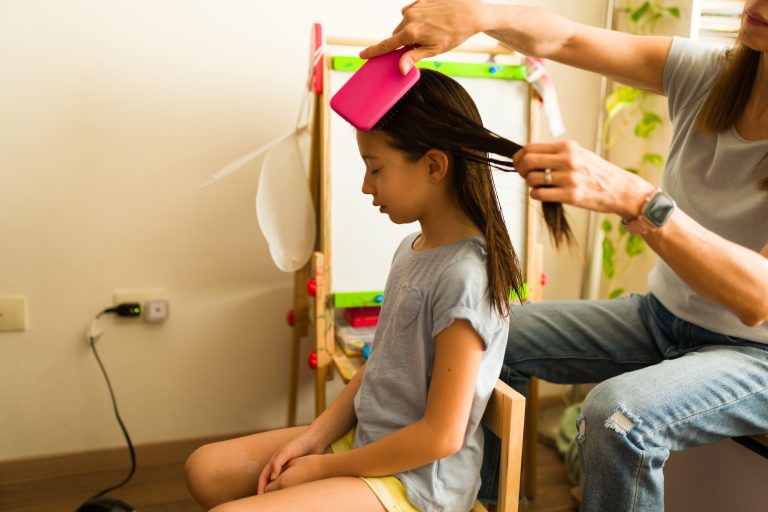
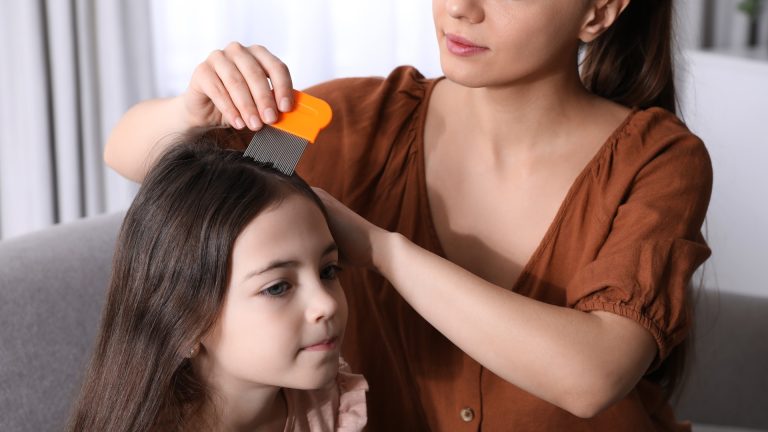
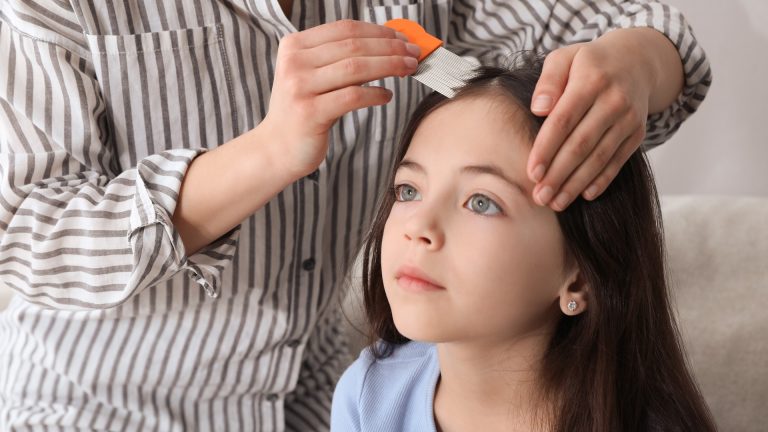
The reliable path that meets all three is a careful check of every head, a thorough treatment, and follow-up checks at home. Fine-toothed combing on damp hair is the part of the process that actually moves lice and eggs out of the head one strand at a time. Patient, methodical combing on every section of the scalp is what makes the difference between a treatment that ends and a treatment that loops.
The Three-Part Process A Clinic Visit Replaces Guesswork With
At our Cranford clinic, Lice Lifters of Union County turns the guesswork of a home remedy into a measured plan. A certified technician checks the whole family, identifies the life stages present, applies our enzyme-based solution and works through every strand with a careful comb-out. A visit typically takes about an hour, depending on hair thickness and how many lice there are. Families leave knowing what the household needs to do for the week ahead and how to spot anything that might come back.
What Lice Lifters Products Add To The Plan
Our enzyme-based solution is made for lice and their eggs rather than for cosmetic color, and it is chemical-free and non-toxic, so it is safe for children. Paired with a careful comb-out, it gives families same-day, one-visit treatment with 99.9% efficacy, backed by our 30 Day Guarantee when the whole family is checked, instead of weeks of trial and error with whatever product happened to be on the shelf.
Frequently Asked Questions
Does The Color Of The Hair Dye Matter For Killing Lice?
No. No shade of hair color is a proven lice treatment. Lighter shades and bleach use stronger chemicals, which mostly means more risk to the scalp, not more lice gone. Either way, the eggs are not reliably dealt with. Color choice does not turn a coloring product into a lice treatment.
Will Bleach Or Peroxide On Its Own Kill Head Lice?
No. Neither is a proven lice treatment, and household bleach should never go on a scalp, because harsh chemicals like bleach can burn the skin. The peroxide in a box of hair color is mixed for use on hair, and it still isn’t a reliable way to kill lice or their eggs. Stronger chemistry at home just raises the risk to the scalp without solving the egg problem.
If I Just Dyed My Hair And Found Nits, Did The Dye Fail?
It did what it was designed to do, which is color hair. Finding nits after a coloring session is not unusual because dye cannot be relied on to destroy eggs. The eggs you are seeing may have been laid before the appointment or may have survived it. The next step is a careful scalp check and, if eggs are confirmed, a proper treatment and combing plan instead of a second round of dye.
Is It Safe To Color My Child’s Hair To Try To Treat Lice?
We wouldn’t recommend it. Hair dye isn’t a proven lice treatment, and an already-scratched, irritated scalp during an active lice case is the worst time to add harsh chemicals that can irritate or burn the skin. A careful comb-out with a non-toxic treatment is the safer and more reliable route for kids.
Does Having Already-Dyed Hair Affect A Professional Lice Screening?
No. A certified technician can screen and treat dyed, highlighted, or chemically processed hair without a problem. The dye can sometimes make empty shells harder to see against the new color, but a careful comb-out finds them. What matters most is getting the screening done. Recent coloring does not need to delay an appointment.
Can Head Lice Still Live On Hair That Has Been Dyed?
Yes. Lice attach to the hair shaft and feed on blood from the scalp. They do not care whether the strand they are clinging to is natural, dyed, highlighted, straightened, or curly. Dyed hair is not protective against future cases, and it is not a reason to skip ordinary lice precautions during a school outbreak or after a known exposure.
What Should I Actually Do If I Think Hair Dye Is My Last Option?
Pause and book a screening before the next experimental remedy. A single professional appointment is faster than weeks of stacked at-home treatments, less stressful than watching the same nits keep showing up, and safer than mixing aggressive chemistry with an already-irritated scalp. The clinic path is built for this exact situation.
When Should You Bring This To A Lice Professional In Union County?
If you are reading about hair dye as a possible remedy, the case has usually been going on long enough that the family is tired of guessing. That is the moment to switch from experiments to a real plan. A head check at our Cranford clinic confirms what you are dealing with, covers every head in the household, and leaves you with a clear plan for the weeks ahead. Our professional lice screening and removal is non-toxic and done in one visit, and same-day appointments are often available. Book an appointment when you are ready to put the experiments down.